
Understanding Your Aging Dog’s Sleeping Habits
Have you noticed your senior dog sleeping more than usual? As dogs get older, it’s common for them to spend a lot of time napping. But how much sleep is normal, and when should you be concerned? Let’s take a look.
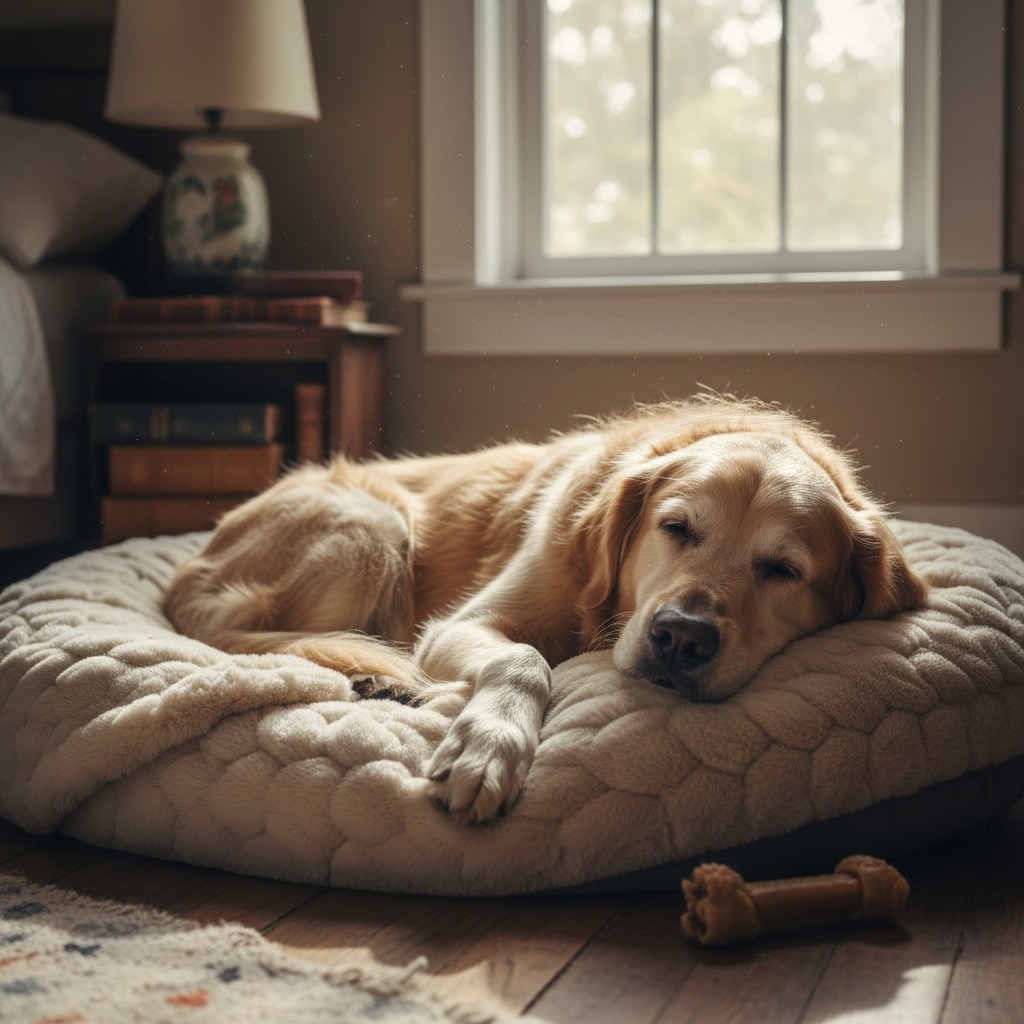
How many hours should your senior dog sleep? It’s normal as pet parents to become concerned when you notice that your once active dog is sleeping more and more. Or, instead, notice that your dog seems to pace around all night long.
Normal Sleep Patterns in Senior Dogs
Most dogs’ sleep patterns usually begin to change between five and seven years old. As they get older, their energy level starts to decrease. They need more sleep to recharge than they use to when they were younger. It’s normal for your senior dog to sleep up to 20 hours a day. This will definitely make you feel like your once active dog sleeps all day.
Every dog needs sleep to function. There are five main reasons why they sleep so much:
- As your dog ages, they tire easily and need more time to rest and catch up. Taking several naps throughout the day allows their body to relax and prepare to be active again.
- Sleep is essential for your dog’s immune health. Longer periods of rest help their body effectively fight off infections and stay healthy.
- As they get older they often become more restless, interrupting their sleep at night causing them to be more tired during the day.
- Your senior dog is more likely to be suffering from joint pain or other diseases that might be making sleeping uncomfortable. This can lead to more naps during the day.
- Senior dogs have an increased risk of developing diseases that can cause them to be lethargic. Sudden changes in their sleeping patterns could be a sign they’re suffering from an underlying condition.
Health Issues That Cause Excessive Sleep
Be aware of these health problems that can increase sleep in your senior dog:
- Arthritis or joint pain
- Hypothyroidism
- Cognitive dysfunction
- Heart disease

In short, remember that increased sleep is a normal part of being a senior dog. However, if these changes happen suddenly, your dog struggles to sleep at night, or you notice worrisome symptoms, it’s important to consult with your veterinarian. As a dog parent, seeing your beloved dog grow older can be challenging. While aging brings many changes, there are plenty of ways you can help your dog stay comfortable, mobile, and happy during their golden years.
🐾Senior Pet Tip
If your senior dog is suddenly sleeping a lot more or seems lethargic, it could be a sign of an underlying health issue. Always consult your vet if you’re concerned,
Leave a Reply